 NASDAQSIGNALS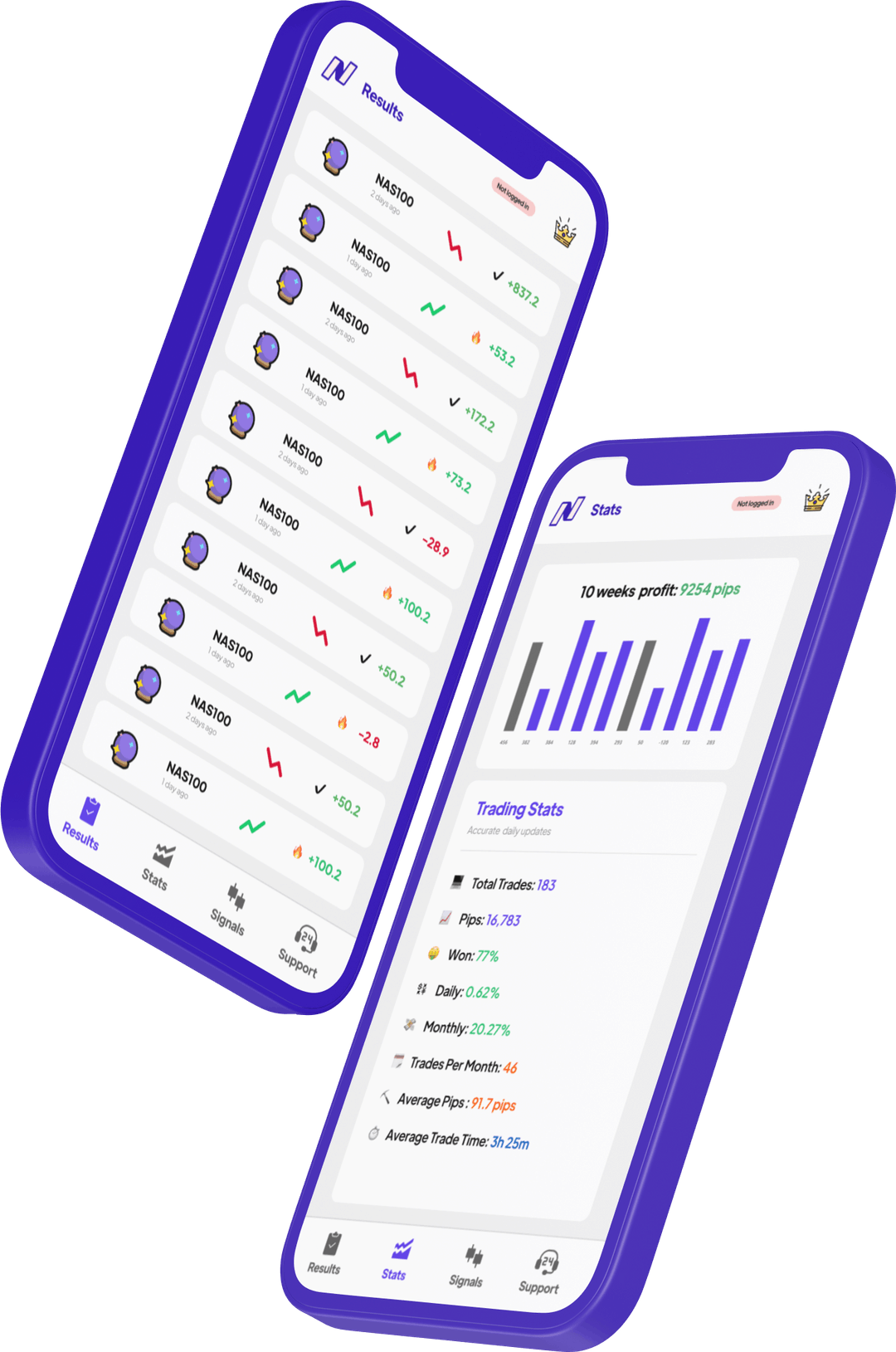
From first chart to first NAS100 trade.
Choose a broker
Pick a regulated broker that offers NAS100, US100, USTEC, or US Tech 100 with clear contract specs, competitive spreads, and reliable execution.
Open a demo account
Practice order entry, stop-loss placement, and position sizing before risking real funds. NAS100 moves quickly and demo practice matters.
Learn the fundamentals
Track Fed policy, Treasury yields, CPI, NFP, and mega-cap tech earnings because these are the main NAS100 catalysts. For NAS100-specific indicator settings that actually work, see our TradingView indicators guide.
Set position sizing
Risk a small fixed percentage per trade. Calculate lot size from the stop distance instead of guessing.
Place your first live trade
Start with small size, use a stop-loss, and document the reason for entry and exit.
Use signals while learning
Follow structured alerts with exact entry, stop-loss, and take-profit levels while building your own chart-reading process.
Common beginner mistakes.
Oversizing
NAS100 does not need large lots to create meaningful profit or loss. Keep risk small enough to survive a losing streak.
Trading news blindly
High-impact releases can move hundreds of points. Have a plan or wait for volatility to settle.
Ignoring contract specs
Different brokers use different symbols, margin rules, and point values. Check them before trading live.
Moving stops
A stop-loss is the invalidation point. Moving it usually turns a planned loss into account damage.
Chasing the open
The first minutes after the US open can be violent. Wait for structure unless the signal plan is clear.
No journal
Without notes, beginners repeat the same mistakes. Track setup, entry, exit, and execution quality.